



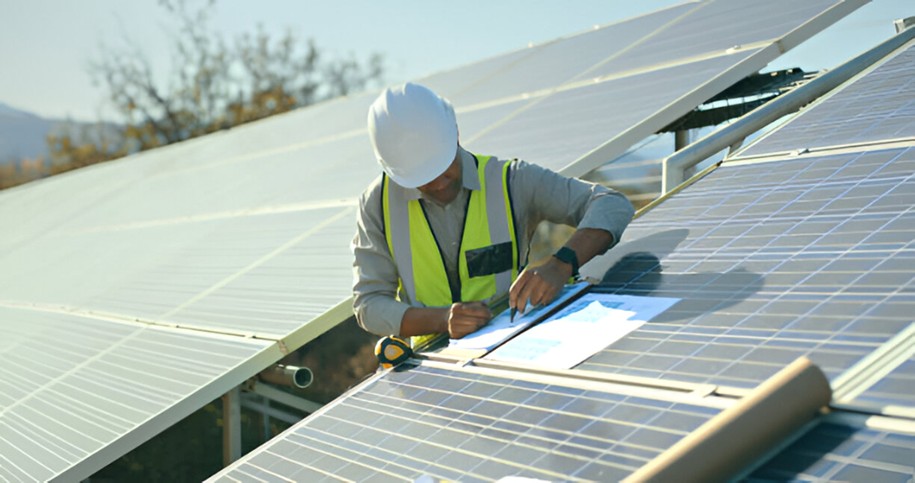
Unlock Massive Savings with This Smart Solar Panel Upgrade Strategy
Many Australian solar systems were designed for past energy needs, not today’s usage patterns. As households consume more power, outdated setups often limit savings without being obvious. Ramselec Solar works with property owners to refine, expand, and modernise existing systems rather than replace them unnecessarily. When upgrades are planned with care, solar becomes more responsive, more efficient, and far better aligned with current tariffs, delivering stronger returns and long-term energy confidence.
Table of Contents
Why Many Solar Systems Stop Delivering Real Savings?
Why Upgrading Your Solar System Makes Financial Sense?
Step 1: Assess Your Current System Performance
Step 2: Upgrade Your Inverter First (If Needed)
Step 3: Add Battery Storage Strategically
Step 4: Increase Panel Capacity (If Roof Space Allows)
Step 5: Optimise Energy Usage with Smart Monitoring
Step 6: Understand Government Rebates and Incentives
Step 7: Consider Future Energy Needs
Step 8: Avoid Common Solar Upgrade Mistakes
Common Upgrade Mistakes to Avoid
How Much Can You Actually Save?
Key Takeaways
Older systems often underperform
Smart upgrades reduce power bills
Modern inverters improve efficiency
Battery readiness increases savings
Timing upgrades maximises returns
Why Many Solar Systems Stop Delivering Real Savings?
Many Australian solar systems were installed under early rebate schemes. While those systems were effective at the time, usage patterns and tariffs have changed.
Common issues include:
Panels are producing less power due to age
Inverters operating below current efficiency standards
Systems sized for past household demand
No ability to store or manage excess energy
According to industry studies, solar performance depends heavily on system quality, configuration, and ongoing maintenance. Without recognising the signs to upgrade a solar system and acting on them, households frequently miss out on savings already available through modern solar technology.
Why Upgrading Your Solar System Makes Financial Sense?
If you installed solar 5–10 years ago, chances are your system isn’t performing anywhere near what modern setups can deliver.
Older systems often:
Have lower panel efficiency
Use outdated inverters
Lack of battery storage
Don’t optimise energy usage during peak times
Offer limited monitoring features
Technology has moved fast. Brands have dramatically improved efficiency and energy management capabilities.
A smart upgrade can:
Reduce grid dependence
Lower peak-time usage
Increase self-consumption
Future-proof against rising tariffs
Boost property value
Instead of ripping out your entire system, the key is upgrading strategically.
Step 1: Assess Your Current System Performance
Before spending a cent, get a professional system assessment.
A proper solar audit should check:
Panel efficiency and degradation
Inverter performance
System size vs household consumption
Shading impact
Export limits
Current feed-in tariff rates
You might find your panels are still solid, but your inverter is underperforming. Or your system size might be too small for your growing household needs.
Data matters. Use your monitoring app or request a performance report.
Step 2: Upgrade Your Inverter First (If Needed)
The inverter is the brain of your solar system. It converts DC electricity from panels into usable AC power for your home.
Older inverters:
Are less efficient
Lack smart monitoring
Struggle with load balancing
Don’t support battery integration
Upgrading to a modern inverter can:
Improve overall system efficiency
Enable real-time energy tracking
Prepare your system for battery storage
Increase export optimisation
Brands offer hybrid-ready models ideal for Australian conditions.
This single upgrade can noticeably improve performance without replacing your panels.
Step 3: Add Battery Storage Strategically
One of the biggest game-changers in solar savings is battery storage.
Instead of exporting excess solar back to the grid for a low feed-in tariff, you can store it for nighttime use.
Benefits include:
Reduced reliance on the grid
Protection from peak pricing
Backup power during outages
Greater energy independence
The Battery options depending on budget and needs.
However, battery upgrades should be calculated carefully.
Consider:
Your daily consumption patterns
Night-time energy use
Solar feed-in tariff rates
Battery payback period
Available government rebates
A poorly sized battery can reduce your ROI. A properly sized one can slash bills dramatically.
Step 4: Increase Panel Capacity (If Roof Space Allows)
Many early solar adopters installed smaller systems because rebates capped sizes or panels were expensive.
Today, panel efficiency has improved significantly.
Modern panels:
Generate more power per square metre
Perform better in heat
Offer longer warranties
Are more affordable
If your roof has spare space, adding extra panels can:
Offset increased appliance usage
Support EV charging
Improve battery charging capacity
Maximise self-consumption
Before expanding:
Check local distributor export limits
Ensure inverter compatibility
Confirm roof structure suitability
A panel upgrade works best when aligned with future energy needs.
Step 5: Optimise Energy Usage with Smart Monitoring
Solar savings aren’t just about production, they’re about timing.
Smart monitoring systems allow you to:
Track real-time usage
Schedule appliances during peak solar production
Monitor export levels
Detect system faults
Identify consumption spikes
This allows households to:
Run dishwashers and washing machines during the day
Heat water using solar surplus
Charge EVs during sunlight hours
Reduce night-time grid reliance
Modern inverters and batteries integrate seamlessly with monitoring apps, making energy management simple.
Knowledge equals savings.
For a deeper breakdown of how monitoring boosts savings and protects your investment, see how smart solar monitoring helps you save more.
Step 6: Understand Government Rebates and Incentives
Australia still offers solar incentives, though they vary by state.
Available benefits may include:
State battery rebates
Interest-free solar loans
Virtual power plant incentives
Eligibility depends on:
System size
Location
Household income
Installation date
A professional installer should factor these into your upgrade strategy to maximise ROI.
Step 7: Consider Future Energy Needs
A smart upgrade strategy looks ahead, not just at current bills.
Ask yourself:
Are you planning to buy an EV?
Will your household grow?
Are you installing air conditioning?
Do you plan to work from home more?
Electric vehicle charging alone can significantly increase consumption.
Planning upgrades around future usage ensures you won’t need another costly expansion in a few years.
Step 8: Avoid Common Solar Upgrade Mistakes
Many Australians rush upgrades without a long-term plan.
Avoid:
Mixing incompatible components
Oversizing batteries unnecessarily
Ignoring inverter capacity limits
Choosing cheapest installers
Skipping system performance checks
Solar is a long-term investment. Cutting corners reduces savings potential.
Work with accredited installers and request detailed ROI projections.
Common Upgrade Mistakes to Avoid
Solar upgrades fail when decisions are rushed.
Avoid these common issues:
Replacing panels unnecessarily
Ignoring inverter compatibility
Oversizing systems without usage analysis
Choosing products without local support
Skipping compliance and safety checks
A strategic upgrade focuses on outcomes, not equipment alone.
How Much Can You Actually Save?
Savings vary depending on:
System size
Electricity rates
Battery usage
Location
But a well-planned upgrade can:
Cut electricity bills by 50–80%
Reduce exposure to tariff hikes
Deliver payback within 3–7 years
Increase property appeal
In high-tariff states, the return can be even faster.
With energy prices unlikely to drop long-term, improving self-sufficiency becomes increasingly valuable.
Why Acting Sooner Delivers Bigger Gains?
Electricity prices trend upward over time. The sooner you reduce grid dependence, the sooner you lock in savings.
Delaying upgrades means:
Paying higher ongoing power bills
Missing rebate opportunities
Slower ROI
Increased exposure to peak charges
A strategic upgrade doesn’t mean replacing everything tomorrow, it means identifying the highest-impact improvement and starting there.
For some households, that’s a new inverter.
For others, it’s battery storage.
For growing families, it’s panel expansion.
The key is structured planning rather than impulse buying.
Smart Solar Is About Control
The real benefit of a smart solar upgrade strategy isn’t just lower bills, it’s control.
Control over:
Energy usage
Cost predictability
Peak pricing
Outage resilience
Future energy independence
Upgrading strategically allows you to unlock massive savings without unnecessary spending.
Conclusion
Solar technology continues to improve, but savings only follow when systems are aligned with current demand, tariffs, and performance standards. A targeted upgrade strategy extends the life of your investment and increases returns without unnecessary expense. If your solar system is no longer delivering the savings you expected, contact us today. Our team designs upgrade strategies that improve efficiency, reduce costs, and future-proof your energy setup.
FAQs:
Can I upgrade my solar system without replacing everything?
Yes. Many solar upgrades focus on improving inverters, adding monitoring, or expanding system capacity rather than replacing the entire system.
How do I know if my solar system is underperforming?
Performance monitoring data and professional system inspections can identify output issues, efficiency losses, or equipment faults.
Is it worth upgrading an older solar system?
In many cases, yes. Upgrading older systems with modern components can significantly improve efficiency, reliability, and long-term savings.
Can I add a battery later?
Yes. Battery-ready system upgrades allow energy storage to be added at a later stage when it becomes suitable.
Will upgrading affect my feed-in tariff?
It can. A professional assessment helps ensure system upgrades comply with network requirements and minimise any impact on feed-in tariffs.
How long does a solar upgrade take?
Most solar system upgrades are completed within one to two days, depending on the size and complexity of the work.


