



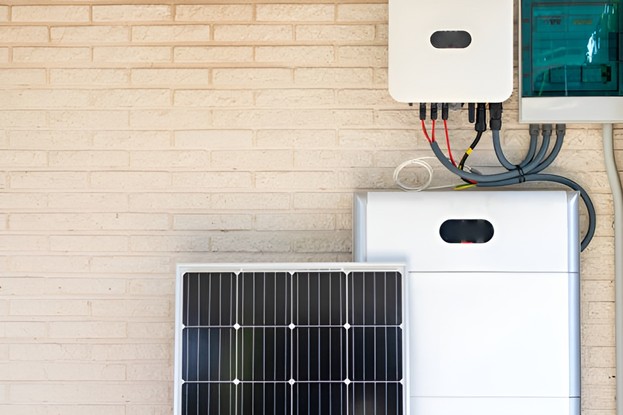
The Hidden Benefits of Solar Batteries Most People Miss
Most Melbourne homeowners think solar batteries are just about storing extra energy. They are much more than that. The full picture includes emergency backup power, protection from rising electricity prices, increased property value, and even income from Virtual Power Plant programs. At Ramselec Solar, we want you to understand the complete value of what you are investing in.
Table of Contents
The Benefit Everyone Knows: Lower Bills
The Benefit Many Miss: Blackout Protection
The Benefit Fewer Still Consider: VPP Income
The Benefit That Tells the Whole Story: Energy Independence
Key Takeaways
A solar battery almost doubles your energy bill savings: Adding storage can push annual savings from around $1,500 to over $2,300 per year compared to solar alone, according to the Climate Council.
Blackout protection is a real and valuable feature: Most modern batteries include backup power capability that keeps your home running when the grid goes down.
Batteries earn income through Virtual Power Plant programs: Enrolling your battery in a VPP lets electricity retailers draw a small amount of your stored energy during grid peak events, in exchange for bill credits or tariff payments.
Energy-efficient homes command a significant price premium: According to Domain's 2025 Sustainability in Property Report, energy-efficient homes are selling for an average of $118,000 more across Australia.
Battery adoption is accelerating fast: In the second half of 2025 alone, 183,245 batteries were sold in Australia, more than the previous four years combined.
The Benefit Everyone Knows: Lower Bills
The financial case for adding a battery to your solar system starts with a straightforward calculation. Without storage, your solar panels generate energy during the day. Most of that energy goes to waste if you are not home to use it, exported to the grid at a feed-in tariff that has been declining for years.
In Victoria, the previous minimum feed-in tariff set by the Essential Services Commission was removed from 1 July 2025, with retailers now setting their own rates. A solar battery with blackout protection changes the equation entirely. Instead of receiving a few cents per kilowatt-hour for exported energy, you store it and use it in the evening when grid electricity costs you 30 to 40 cents per kilowatt-hour.
According to the Climate Council's Battery Boom report on supercharging Australia's renewable rollout, a home battery can almost double the power bill savings for homes with rooftop solar, pushing annual savings up to $2,300 per year for a typical family, compared to $1,500 in savings with solar alone. That additional $800 per year, compounded over a 10-year battery life, represents a compelling financial return on top of the direct cost reduction in the year of installation.
The Benefit Many Miss: Blackout Protection
Power outages in Melbourne are more common than most people expect. Storms, infrastructure faults, and increasingly, the strain of record-breaking heat days can take sections of the grid offline for hours. For households that depend on medical equipment, refrigerated medication, or simply need to maintain a safe indoor temperature for young children or elderly residents, an outage is not just inconvenient. It is a real risk.
Most modern residential batteries, including the BYD and SolarEdge systems we install as part of our hybrid solar installations at Ramselec Solar, include backup power functionality. When the grid drops, the battery and inverter automatically isolate your home and continue powering it from stored solar energy. The transition is near-instant, and for most households the experience is simply that the lights stay on.
This is a benefit that pure solar cannot deliver. Without a battery, when the grid goes down, your solar panels shut off as a safety requirement. A battery changes that entirely.
The Benefit Fewer Still Consider: VPP Income
A Virtual Power Plant (VPP) is a network of home batteries managed as a collective resource to support the electricity grid during high-demand periods. When you join a VPP program, you give a retailer or energy provider the ability to draw a small amount of your stored energy during specific grid events, typically a few times per month.
In exchange, you receive compensation. This can take the form of daily bill credits simply for being enrolled, or premium export payments during grid events that can reach over $1 per kilowatt-hour, which is dramatically higher than standard feed-in tariff rates. For battery owners with smart energy management, this can add hundreds of dollars per year to the financial return of their system.
According to the Australian Conservation Foundation's report on the battery boom and Australia's greener grid, the widespread adoption of household batteries and VPP participation is forecast to deliver a 3.4 per cent whole-of-economy cut to emissions by 2035. For individual battery owners, VPP participation transforms a storage asset into an active income generator while contributing to the stability of the broader electricity network.
The Benefit That Tells the Whole Story: Energy Independence
The energy landscape in Victoria has changed fundamentally. The premium feed-in tariff is gone. Minimum FiT rates have been deregulated. Electricity prices continue to trend upward. In that context, the most powerful thing a battery does is insulate you from further changes.
When your home generates its own solar energy during the day, stores it in a battery, and uses it in the evening, you are largely no longer at the mercy of wholesale price movements, network cost increases, or retailer margin decisions. You become your own energy manager.
The scale of this shift is reflected in the adoption data. The Clean Energy Council Rooftop Solar and Storage Report for July to December 2025, recorded 183,245 batteries sold in Australia in that six-month period alone, more than the entire previous four years combined. Rooftop solar now accounts for 28.3 GW of installed capacity across the country, eclipsing the entire coal-fired generation fleet at 22.5 GW. Batteries are the logical and accelerating next step in that transition, role of batteries in Australia’s energy future.
How the 2025 Federal Battery Rebate Changes the Numbers
The financial case for adding a battery became substantially stronger from 1 July 2025, when the federal government's Cheaper Home Batteries Program began delivering a discount of approximately 30 per cent on the installed cost of eligible battery systems.
The discount is applied upfront by your accredited installer through the Small-scale Renewable Energy Scheme. For a 10 kWh battery at an average installed price of approximately $11,120, the rebate reduces the net cost to around $8,010 before any state-level assistance.
In Victoria, this federal rebate stacks with the Solar Homes Program solar panel rebate of up to $1,400 for eligible households who are also upgrading or adding panels. The combined incentive package means the total out-of-pocket cost of a full hybrid system has dropped meaningfully, shortening payback periods and improving the overall return on investment.
Conclusion
Solar batteries do far more than store excess energy. They protect you from outages, shield you from rising grid costs, potentially increase your property value, and can even generate income. If you want to understand exactly what a hybrid solar and battery system would deliver for your home, contact us for a free consultation and system design. We are based in Thomastown and serve Melbourne and surrounding Victoria with Tier One equipment and 25-year workmanship warranties.
FAQs:
What are the hidden benefits of a solar battery?
Beyond bill savings, batteries provide blackout protection, VPP income, potential property value uplift, and long-term insulation from rising electricity prices.
Can a solar battery power my home during a blackout?
Yes. Most modern solar batteries include backup functionality that automatically keeps your home powered when the grid goes down.
What is a Virtual Power Plant and how does it benefit battery owners?
A VPP lets retailers use a small portion of your stored energy during grid peaks in exchange for bill credits or premium tariff payments.
Does a solar battery increase property value?
Domain's 2025 Sustainability Report found energy-efficient homes sell for an average of $118,000 more across Australia than standard properties.
How much can a solar battery reduce my electricity bill?
Adding a battery to a solar system can increase annual savings from around $1,500 to over $2,300 per year for the average Australian household.
Is the 30% federal battery rebate still available in Victoria?
Yes. The federal Cheaper Home Batteries Program is available nationally, including Victoria, and provides approximately 30% off installed battery costs.


