


Solar Panels for Older Homes in Melbourne
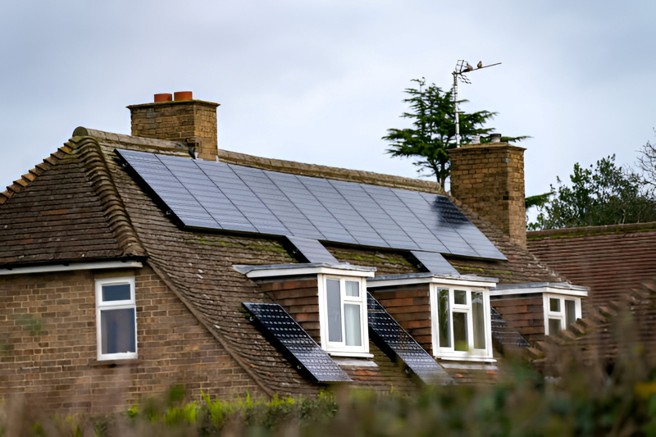
Melbourne's period homes were wired for a wireless and a single light globe. Solar was never part of the plan. At Ramselec Solar, we install on Federation cottages, post war brick veneers and Californian bungalows every week. The panels are rarely the difficult part. What sits beneath the roof usually is.
Table of Contents
The Roof Is Rarely the Problem
Solar Is Prescribed Electrical Work
Heritage Overlays and Planning Permits
Assess the Roof Before, Not After
Older Homes, Modern Consumption
Key Takeaways
Older switchboards often need upgrading before solar connects.
Roof condition and tile type affect installation cost.
Heritage overlays may require a planning permit.
Solar work legally requires independent electrical inspection.
The Roof Is Rarely the Problem
Homeowners assume the challenge is the roof. In practice, a competent installer manages terracotta, slate or corrugated iron without difficulty. The obstacles sit elsewhere, and they are almost always electrical.
Many Melbourne homes built before the 1980s still run ceramic fuse switchboards with four to six circuits for the entire property. There is no spare capacity for a solar inverter, frequently no residual current device protection, and occasionally an asbestos backing board behind the panel. None of this prevents solar. All of it must be addressed first.
Start With the Switchboard
A modern system requires a dedicated circuit, correct isolation and a compliant board. An older switchboard rarely provides any of these.
Expect an upgrade if your board shows:
Ceramic fuses with rewireable fuse wire.
No safety switches protecting power circuits.
No spare positions for additional circuits.
A corroded or undersized meter enclosure.
Suspected asbestos sheeting behind the panel.
This is not an upsell. It is the difference between a system that connects and one that fails inspection. Budgeting for the switchboard at quotation stage avoids an unwelcome discovery on installation day.
Solar Is Prescribed Electrical Work
Victoria treats solar with unusual seriousness, and rightly so. Energy Safe Victoria classifies renewable energy generation systems as prescribed electrical installation work, meaning the work must be inspected by an independent Licensed Electrical Inspector before certification. Your installer arranges that inspection. You receive the certificate.
On an older property this matters twice over. The inspector examines the mains, the earthing system and the switchboard, not merely the panels. Existing defects surface. An installer unfamiliar with period wiring may not have anticipated them, and the project stalls.
Choosing a registered electrical contractor rather than a solar sales agency changes the outcome. Our director is a master electrician who designs and oversees every residential installation personally. Old wiring holds few surprises for an electrician who works on it daily.
Heritage Overlays and Planning Permits
A substantial number of inner Melbourne homes sit within a Heritage Overlay. That does not prohibit solar. It governs where the panels may go.
Heritage Victoria advises that installations should avoid intruding on the principal views of a place, and applies minimum intervention and reversibility principles so a building can be fully restored if the system is removed. Panels concealed from the street generally require no planning permit. Panels visible from a street or public park usually do.
The rules are in flux. The Victorian Government has been consulting on removing the permit requirement for visible solar within Heritage Overlay schedules. Until that concludes, check your council's overlay before committing to a roof layout, because a rear slope facing south generates considerably less than a north facing front elevation.
Assess the Roof Before, Not After
Panels last twenty five years. Roofs do not, unless they are sound to begin with. Installing an array over deteriorating tiles or rusted iron guarantees an expensive removal and refit within a decade.
Have these examined honestly:
Brittle or cracked terracotta and slate tiles.
Rust, particularly around fixings and valleys.
Sagging battens or timber rot in the roof cavity.
Asbestos cement sheeting on eaves or outbuildings.
Keep spare tiles on hand. Even careful work breaks the occasional brittle tile, and a matching replacement for a ninety year old profile is not always available at short notice.
Older Homes, Modern Consumption
Period homes are frequently poorly insulated, which means heating and cooling dominate the bill. RMIT University researchers note that the average Victorian home achieves just 1.7 stars out of ten for energy performance, with most built before 2000. Peer reviewed analysis of a 1930s Australian house confirms the pattern, finding floor construction well below the current national insulation requirement.
Solar addresses the daytime portion of that load directly, and the technology is no longer marginal. The Clean Energy Council reports that rooftop solar contributed 14.2 per cent of Australia's electricity generation in the second half of 2025, with installed capacity now exceeding the nation's entire fleet of coal fired generators. Storage extends that benefit into the evening, when an older home loses heat fastest.
A Sensible Order of Operations
Approach an older property methodically and the project runs smoothly.
Check whether a Heritage Overlay applies to your address.
Have the switchboard and mains inspected by a licensed electrician.
Assess roof condition and identify any asbestos materials.
Design the array around aspect, shading and permit constraints.
Confirm your solar panel installer is a registered electrical contractor.
Conclusion
A period home can carry solar beautifully, provided the wiring, the roof and the planning rules are addressed before installation rather than during it. Nothing about age rules solar out. It simply demands a more careful hand. To discuss your property with a master electrician, contact us for a free quote.
FAQs:
Can solar panels be installed on an older home?
Yes. Age rarely prevents installation, though switchboard upgrades and roof assessment are commonly required first.
Do I need to upgrade my switchboard for solar?
Usually, if it has ceramic fuses, no safety switches, or no spare capacity for new circuits.
Do solar panels need a permit on a heritage home?
Only if visible from a street or public park. Concealed installations generally need no planning permit.
Can panels be installed on terracotta or slate tiles?
Yes, by experienced installers. Keep spare tiles available, as brittle older tiles occasionally break during work.
Is solar installation inspected in Victoria?
Yes. Solar is prescribed work requiring inspection by an independent Licensed Electrical Inspector before certification.
Will an old roof support solar panels?
Only if structurally sound. Deteriorating tiles, rust or rotting battens should be repaired before installation.


