



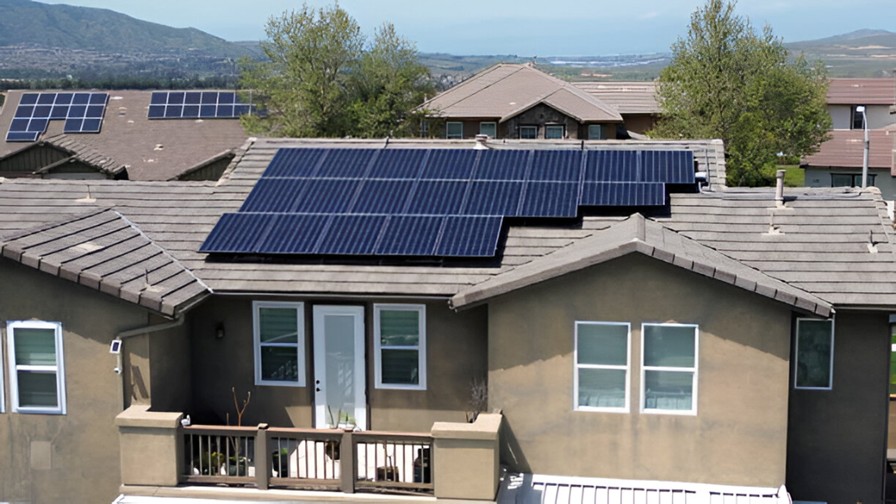
Is Your Roof Costing You Thousands? Discover the Hidden Power of Solar
Most residential roofs are exposed to sunlight for most of the day, yet deliver no financial return. That unused space quietly contributes to higher power bills year after year. Ramselec Solar works with homeowners to convert roof exposure into practical energy savings through well-planned solar systems. When roof design, orientation, and usage are aligned, solar power becomes a dependable asset that reduces grid reliance and strengthens long-term household energy control.
Table of Contents
Why Many Homes Miss the True Value of Their Roof?
Is your roof quietly costing you thousands of dollars every year?
The True Cost of Doing Nothing
Why Australia Is Perfect for Solar?
How Solar Actually Saves You Money?
Your Roof: An Underused Financial Asset
Modern Solar Technology Is Smarter Than Ever
Are You Losing Money During Peak Hours?
Common Signs Your Roof Is Costing You Money
Government Incentives Still Help Reduce Costs
The Long-Term Financial Picture
Solar Is About Control, Not Just Savings
Is It Time to Unlock Your Roof’s Potential?
Turning Roof Space Into a Long-Term Asset
Common Roof and Solar Mistakes That Cost Thousands
Key Takeaways
Roof space directly affects energy costs
Solar converts unused space into savings
System design matters more than panel count
Correct orientation improves returns
Professional assessment prevents wasted spending
Why Many Homes Miss the True Value of Their Roof?
Solar savings are often underestimated because systems are poorly planned or undersized.
Common reasons include:
Panels installed without usage analysis
Roof orientation was ignored during design
Shading was not properly assessed
Inverters chosen for cost, not performance
A roof with the right exposure can produce far more value than many homeowners expect when these factors are addressed.
Across Australia, electricity prices continue to fluctuate, and for many households, power bills feel like they’re permanently stuck on “high”. But here’s a question most homeowners don’t stop to consider:
Is your roof quietly costing you thousands of dollars every year?
If your roof is sitting there doing nothing but shielding you from the sun, you could be missing out on serious savings. With Australia blessed with some of the highest solar radiation levels in the world, your rooftop has enormous untapped earning potential. Let’s break down how solar can turn your biggest unused asset into a powerful money-saving machine.
The True Cost of Doing Nothing
If you’re relying entirely on grid electricity, you’re exposed to:
Rising energy tariffs
Peak usage charges
Supply charges
Seasonal price fluctuations
Future rate increases
Every year without solar means:
Thousands paid to energy retailers
No control over price hikes
Zero return from your rooftop
Ongoing dependency on the grid
In many Australian states, electricity costs have steadily increased over the past decade. While prices may move up and down in the short term, the long-term trend has been upward.
If your roof isn’t generating power, it’s effectively missing an opportunity to offset those rising costs.
Why Australia Is Perfect for Solar?
Australia isn’t just a good place for solar, it’s one of the best in the world.
Key advantages include:
High average sunshine hours
Strong solar radiation levels
Large residential roof spaces
Supportive federal incentives
Increasing battery adoption
Unlike colder climates, where solar output is limited, Australian households can generate significant energy year-round, even in winter.
This makes rooftop solar one of the most practical home upgrades available.
How Solar Actually Saves You Money?
Solar panels generate electricity during daylight hours. Instead of buying all your power from the grid, you use the energy your system produces.
Savings come from:
Reducing daytime electricity purchases
Avoiding peak pricing
Exporting excess power for feed-in credits
Charging batteries for nighttime use
Powering energy-hungry appliances
For many households, solar can cut electricity bills by:
40–70% without a battery
70–90% with battery storage
Over 10–15 years, that can add up to tens of thousands of dollars saved.
Your Roof: An Underused Financial Asset
Think about it this way.
You’ve already paid for your roof. It’s sitting there in full sun for most of the year. Yet without solar, it produces no financial return.
By installing solar panels, your roof becomes:
A mini power station
A hedge against rising electricity costs
A long-term savings generator
A property value booster
Solar transforms passive space into active value.
It’s one of the few home upgrades that actually pays you back over time.
Modern Solar Technology Is Smarter Than Ever
If you looked into solar years ago and decided against it, things have changed.
Today’s systems are:
More efficient
More affordable
Longer lasting
Smarter and app-connected
Battery compatible
Companies have made home battery storage mainstream, while inverter manufacturers offer highly efficient systems designed for Australian conditions.
Modern systems allow you to:
Monitor usage in real time
Track savings through mobile apps
Optimise appliance timing
Detect faults instantly
Store excess power
Solar is no longer just panels on a roof, it’s an intelligent energy ecosystem.
Are You Losing Money During Peak Hours?
Peak electricity pricing is where many households feel the biggest hit.
Without solar:
You pay full retail price in the late afternoon and evening
Air conditioning and cooking drive up usage
Winter heating increases consumption
Energy retailers profit from peak demand
With solar and battery storage:
You can use stored daytime energy at night
You reduce exposure to peak tariffs
You gain greater bill predictability
Even without a battery, using solar during daylight significantly reduces daytime costs.
The more you shift usage to solar production hours, the more you save.
Common Signs Your Roof Is Costing You Money
If you relate to any of these, your roof may be underperforming financially:
Electricity bills above $400 per quarter
High summer air-conditioning costs
Working from home is increasing daytime usage
No solar system installed
Small, outdated solar system
No battery storage
Even households with older systems installed 8–10 years ago may benefit from upgrading inverters or expanding panel capacity.
Solar technology has improved substantially over the past decade.
Government Incentives Still Help Reduce Costs
Australia continues to support solar adoption through federal incentives like Small-scale Technology Certificates (STCs).
Depending on your system size and location, these incentives can:
Reduce upfront installation costs
Shorten payback periods
Improve overall ROI
Some states also offer:
Battery rebates
Interest-free loans
Virtual power plant programs
Taking advantage of these programmes can significantly improve the financial case for solar.
What About Property Value?
Solar doesn’t just cut bills, it can increase your home’s appeal.
Buyers increasingly value:
Lower running costs
Energy-efficient homes
Battery storage systems
Reduced carbon footprint
In competitive property markets, solar can:
Improve resale attractiveness
Shorten selling time
Add perceived value
While value increases vary, energy efficiency is becoming a bigger factor in buying decisions.
The Long-Term Financial Picture
Solar systems typically last:
25+ years for panels
10–15 years for inverters
10–15 years for batteries (depending on usage)
If your system pays for itself within 3–6 years, the remaining years effectively generate free electricity.
Over two decades, that could mean:
Tens of thousands saved
Reduced exposure to rising tariffs
Greater energy independence
Improved financial predictability
Very few home upgrades offer that kind of long-term return.
Solar Is About Control, Not Just Savings
Beyond the financial aspect, solar offers something many Australians value highly, control.
Control over:
Energy costs
Usage timing
Grid reliance
Future price increases
Outage protection (with batteries)
Instead of being at the mercy of electricity retailers, you generate your own supply.
That shift in control is powerful.
Is It Time to Unlock Your Roof’s Potential?
If your roof gets solid sunlight for most of the day, it has untapped earning power.
Rather than:
Watching energy prices climb
Paying higher quarterly bills
Relying fully on the grid
You could be:
Producing your own clean energy
Reducing or nearly eliminating bills
Increasing home value
Securing long-term savings
In a country blessed with abundant sunshine, letting your roof sit idle could be costing you thousands over time.
Solar isn’t just an environmental decision, it’s a strategic financial move.
And for many Australian households, the hidden power of solar is simply waiting to be switched on.
Turning Roof Space Into a Long-Term Asset
A well-designed solar system changes how a home interacts with energy pricing.
Benefits include:
Predictable electricity costs
Reduced exposure to price increases
Improved energy control
Long-term financial confidence
The Clean Energy Regulator confirms that compliant, high-quality systems deliver reliable performance over time.
Common Roof and Solar Mistakes That Cost Thousands
Many households lose value through avoidable decisions.
Common issues include:
Ignoring roof shading
Using outdated inverter technology
Poor panel placement
No monitoring or performance tracking
Selecting systems without future flexibility
Professional planning prevents these mistakes and protects long-term savings.
If your roof has not been assessed recently, a review can reveal hidden potential.
How Professional Assessment Changes Outcomes?
A detailed roof and energy assessment identifies:
True solar capacity
Optimal panel placement
Inverter and system requirements
Compliance and safety considerations
This process ensures every square metre of usable roof space contributes to savings.
Conclusion
Your roof is exposed to sunlight every day. Whether that exposure becomes a cost or a return depends on how it is used. Solar transforms roof space into a working asset that reduces bills, increases control, and strengthens long-term energy planning. If you want to know whether your roof is costing you more than it should, contact us today. Our team designs solar solutions that turn unused space into measurable savings.
FAQs:
Can every roof support solar panels?
Most roofs can support solar panels, but factors such as roof orientation, shading, and structural condition must be professionally assessed.
How much can solar reduce electricity bills?
Savings vary by usage and system design, but many households significantly reduce electricity bills with a correctly sized solar system.
Does roof direction affect solar output?
Yes. Roof direction and pitch directly affect sun exposure, which influences how much usable energy solar panels generate.
Is solar worth it without a battery?
Yes. Solar systems can reduce reliance on the grid without a battery, with energy storage added later if suitable.
Will solar increase property value?
In many cases, professionally installed solar systems improve property appeal and can contribute to increased value.
How long does a solar assessment take?
Most professional solar assessments are completed during a short on-site visit, depending on roof complexity and system requirements.


