



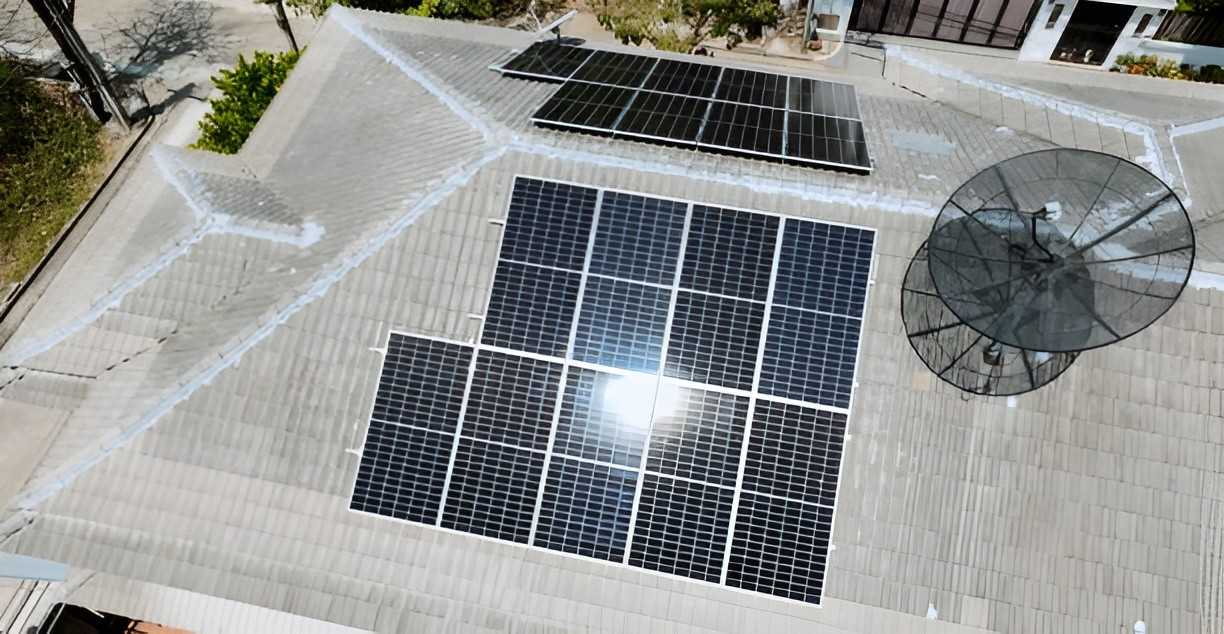
Roof Space Needed for a 6.6 kW Solar System | Ramselec Solar
A 6.6 kW solar system is one of the most common choices for homes, offering strong output, long-term savings, and excellent value. At Ramselec Solar, many households select this system because it delivers steady performance and suits a wide range of roof spaces. Understanding how much space you need helps ensure your installation is efficient, compliant, and ready for future energy needs.
Table of Contents
Why Roof Space Matters in Solar Design?
What Determines the Space Required?
How Many Panels Are in a 6.6 kW System?
Panel Orientation and Efficiency
Factors That Increase Space Requirements
Key Takeaways
A 6.6 kW system usually needs 30–35 m² of roof space
Panel size and efficiency influence the total roof area
Roof direction and pitch impact placement options
Quality installation ensures ideal layout and long-term performance
Shade and roof condition must be assessed before installation
Why Roof Space Matters in Solar Design?
Roof space determines how many panels can be installed and how well they perform. A typical 6.6 kW system includes around 15 to 18 panels, depending on the wattage of each panel. Higher-efficiency panels reduce the space required, while older roofs or shaded areas may shape the final layout. Many homes feature varied roof shapes, pitches, and materials, so assessing the available space is essential to ensure safe installation, optimal performance, and long-term system reliability.
Key considerations include:
The overall size and structure of the roof
Whether the surface receives consistent sunlight
Any shading from trees or nearby buildings
Roof age and suitability for mounting systems
Installing a 6.6 kW solar system has become one of the most popular choices for households. It’s big enough to make a serious dent in power bills, small enough to suit most residential roofs, and usually sized to match the common 5 kW inverter limit used by many electricity networks. But before you sign up for a system, it’s important to know whether your roof can actually fit it.
So, how much roof space do you need for a 6.6 kW solar system? Let’s break it down in simple terms.
What Determines the Space Required?
Even though the system size is fixed at 6.6 kW, the physical space it needs will vary based on:
Solar panel wattage
Panel dimensions
Orientation and layout
Roof shape and obstructions
Shading and spacing requirements
Because different panels produce different amounts of power, higher-efficiency models take up less space, while cheaper, lower-efficiency panels require more.
Typical Size of Solar Panels
Most modern solar panels used in range between 350 W and 440 W. Their physical dimensions are fairly similar:
Standard Residential Panel Size: 1.75 m x 1.1 m
Panel Area: Roughly 1.9 m² per panel
Some larger-format panels exist, but the above measurements work for most home systems. The total size of solar power system depends on how many panels are installed and the available roof space, typically between 6.6 kW and 13.2 kW for residential setups.
How Many Panels Are in a 6.6 kW System?
The number of panels you need depends on their wattage.
Common panel configurations
18 x 370 W panels = 6.66 kW
17 x 390 W panels = 6.63 kW
15 x 440 W panels = 6.6 kW
Most systems use between 15 and 20 panels, depending on the chosen model.
Roof Space Required
To calculate the roof space, we multiply the number of panels by their area (approx. 1.9 m²). Below are the approximate totals.
Estimated Roof Area Required
20 panels → around 38–40 m²
18 panels → around 34–36 m²
15 panels → around 28–30 m²
General Rule of Thumb
A typical 6.6 kW system uses 30–40 square metres of roof space.
This range allows for spacing between rows, rail mounting, and access space for installers.
Panel Orientation and Efficiency
The amount of roof space you need can change depending on where on your roof you place the panels.
North-Facing
Maximum output
Ideal for most homes
Usually keeps the panel count and space requirements standard
East-Facing
Great for morning energy use
Requires a similar layout to the north
West-Facing
Best for late afternoon consumption
Space needs are roughly the same
South-Facing
Least efficient in Australia
You may need more panels to meet your daily energy goals
Usually last preference unless the roof design forces it
If your roof has limited north-facing space, a split array (north + west or east) is very common.
Factors That Increase Space Requirements
To fit a 6.6 kW array properly, installers also consider additional spacing needed for:
Chimneys and skylights
Air-conditioning units
Vent pipes
Valleys and roof ridges
Shading from trees or nearby buildings
If your roof has multiple obstructions, you may need extra spacing, or your panels may need to be spread across different sections of the roof.
Tile Roof vs. Metal Roof
Roof material also affects how much usable space you effectively have.
Tile Roofs
Require more mounting hardware
Slightly more space is needed due to frame adjustments
May reduce usable area when tiles are uneven or broken
Metal Roofs (e.g., Colorbond)
Easier and faster to install on
Typically allows for more flexible layout options
No tile breakage issues
This doesn’t dramatically change the raw space needed, but can influence how efficiently that space is used.
Is Your Roof Big Enough?
Most homes, especially single-storey houses with pitched roofs, can comfortably fit a 6.6 kW system. The exceptions often include:
Townhouses
Units with shared roof space
Roofs heavily obstructed by vents or skylights
Small heritage terraces
Complex, multi-level roof designs
If your roof is small or awkwardly shaped, high-efficiency panels may be the best solution, as they produce more energy per square metre.
Benefits of a 6.6 kW System
A system of this size remains the sweet spot for many households.
Key advantages
High energy production – often 25–28 kWh per day in many cities
Great return on investment
Compatible with standard 5 kW inverters
Affordable installation cost
Future-ready for battery add-ons
Even if your current usage is modest, having extra solar capacity helps offset rising electricity prices and provides plenty of power for EV charging or battery installation later.
How to Make the Most of Limited Roof Space?
If you’re tight on space, you can still aim for a 6.6 kW system by:
Choosing higher-wattage premium panels
Using a split-orientation design
Installing portrait or landscape panel layouts strategically
Avoiding shaded roof sections
Selecting microinverters or optimisers to maximise output from each panel
A good installer will measure your roof using satellite imaging and on-site inspection to recommend the best layout.
Conclusion
A 6.6 kW solar system suits most homes, offering strong output and excellent return on investment. With the right roof space, orientation, and system design, homeowners can achieve consistent performance and long-term savings. For tailored advice and professional installation, contact us today and speak with a qualified solar specialist about your property’s requirements.
FAQs:
How many panels do I need for a 6.6 kW system?
Most systems use 15–20 panels, depending on panel wattage and efficiency.
How much roof space is required?
Typically 26–36 m² depending on the type and size of panels used.
Does roof direction affect the system?
Yes. North-facing roofs are ideal, but east and west orientations still produce strong daily output.
Can I install a 6.6 kW system on a small roof?
Higher-efficiency panels may allow installation in limited spaces.
Will shade reduce performance?
Yes. A site inspection identifies shaded areas and the best panel layout to minimise loss.
Can I add batteries to a 6.6 kW system later?
Yes. Most systems are battery-ready and can be upgraded when needed.


