


Understanding Grid-Connected Solar Systems Work
Grid-connected solar systems have become the trusted choice for households seeking reliable energy savings and long-term efficiency. At Ramselec Solar, homeowners select these systems because they deliver consistent power, integrate smoothly with the existing grid, and offer strong financial benefits through reduced electricity costs. Understanding how these systems operate helps homeowners make informed decisions and gain confidence before installation.
Table of Contents
What Is a Grid-Connected Solar System?
How the System Works: Step-by-Step
1. Solar Panels Capture Sunlight
What influences panel performance?
2. The Inverter Converts DC to AC
3. Your Home Uses Solar Power First
4. Excess Solar Energy Is Exported to the Grid
5. You Draw Electricity from the Grid When Needed
Benefits of Grid-Connected Solar Systems
Optional Add-Ons: Batteries and Smart Monitoring
How the System Works During Low Sunlight?
Key Takeaways
Grid-connected solar systems use both solar power and the main grid
Excess solar energy can be exported for feed-in tariff credits
Inverters play a key role in converting solar energy into usable power
The system works even during cloudy conditions by drawing from the grid
A professional installation ensures safety and efficiency
Grid-connected solar systems are the most common type of solar setup used by homes and businesses. They’re efficient, reliable and cost-effective and because they stay connected to the national electricity grid, they allow households to use solar power during the day and draw electricity from the grid at night or when demand increases. With power prices rising across the country, many Australians are turning to grid-connected systems to reduce energy bills and lower their environmental footprint.
Understanding how these systems work helps homeowners make informed decisions about installation, usage and potential savings. Below is a clear explanation of what a grid-connected solar system is, how each component functions, and why it’s such a popular choice.
What Is a Grid-Connected Solar System?
A grid-connected solar system (also called an “on-grid” or “grid-tie” system) is a solar setup that remains connected to the main electricity grid. This means your home can use solar power when available, and automatically switch to grid power when your panels aren’t producing enough electricity.
These systems do not usually include batteries, although a battery can be added if desired. Without a battery, any excess solar energy is sent back to the grid and you receive a feed-in tariff from your electricity retailer.
The main features of a grid-connected solar system include:
Solar energy is used first
Excess energy is exported to the grid
Grid electricity is used when solar isn’t enough
Feed-in tariffs help offset electricity costs
No battery required (optional add-on)
This makes grid-connected systems affordable, low-maintenance and simple to operate.
How the System Works: Step-by-Step
A grid-connected solar system follows a clear process from capturing sunlight to powering your home. While the technology can seem complex, the workflow is actually quite straightforward.
1. Solar Panels Capture Sunlight
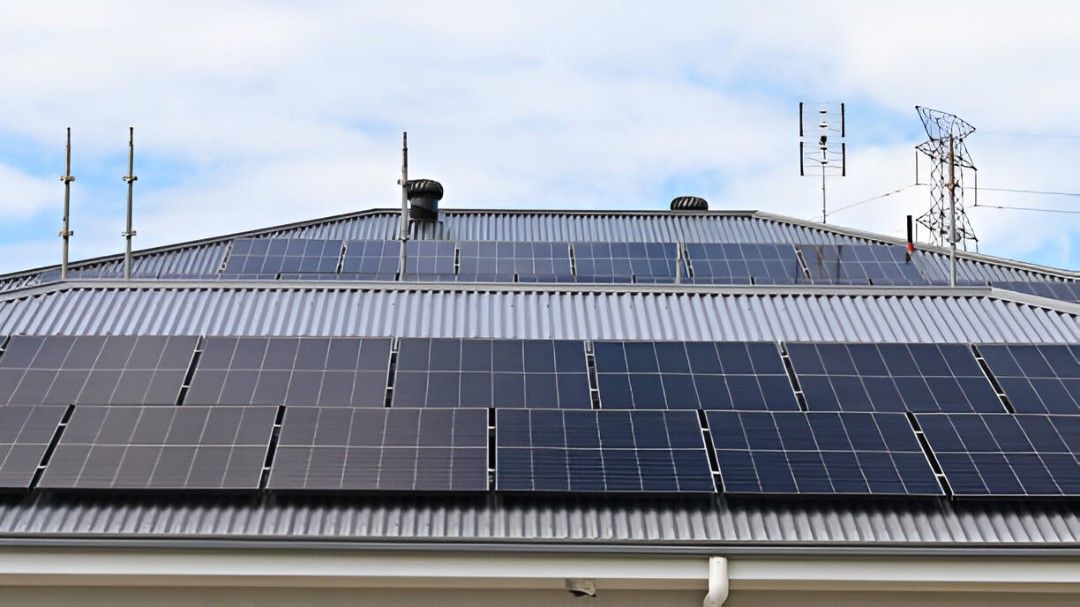
Solar panels, usually placed on your roof, convert sunlight into direct current (DC) electricity. Sunny climate makes this process very efficient, especially in states like Queensland, Western Australia and South Australia.
What influences panel performance?
Orientation (north-facing is ideal)
Roof pitch
Shade levels
Panel quality and efficiency
Temperature and weather conditions
Even on cloudy days, panels can still produce electricity, just at reduced levels.
2. The Inverter Converts DC to AC
Solar panels generate DC electricity, but homes run on AC electricity. This is where the solar inverter comes in.
The inverter converts the solar DC power into usable AC power that can run household appliances such as:
Air conditioners
Refrigerators
Washing machines
Lights
TVs
Computers
There are several inverter types, string inverters, microinverters and hybrid inverters, but they all perform the essential job of converting energy into a usable form.
3. Your Home Uses Solar Power First
Once the inverter has converted solar energy into AC power, your home uses this electricity first. This reduces the amount of power you need to buy from the grid.
Solar energy priority works like this:
If Solar Production is High - Your home runs mostly on solar
If Demand Exceeds Production - Grid power fills the gap
If Production Exceeds Demand - Solar is exported to the grid
This “solar first” setup ensures you get the maximum value from your solar system every day.
4. Excess Solar Energy Is Exported to the Grid
If your panels produce more energy than your household is using, the surplus electricity flows back to the grid. In return, you receive a feed-in tariff from your energy provider.
Feed-in tariffs vary by state and electricity retailer, but they can significantly reduce your electricity bill over time.
Exporting power helps you:
Earn credit on your bill
Offset grid electricity costs
Improve your return on investment
This is one of the major financial benefits of grid-connected solar systems.
5. You Draw Electricity from the Grid When Needed
At night or on heavily overcast days, your solar panels won’t produce enough electricity to power your home. When that happens, your system automatically draws power from the grid. This ensures a consistent energy supply and avoids outages (unless there is a grid blackout).
Because of this, grid-connected systems are considered the most convenient and reliable solar option for most households.
Benefits of Grid-Connected Solar Systems
Grid-connected solar systems are popular for several reasons. They offer strong financial savings, easy installation and low maintenance, making them ideal for families and businesses.
Key benefits include:
Lower electricity bills thanks to solar power and feed-in tariffs
No battery needed, keeping upfront costs lower
Reliable power supply by staying connected to the grid
Simple installation and fewer components than off-grid systems
Low maintenance requirements
Environmentally friendly, reducing carbon emissions
Scalable, with the option to add a battery later
This flexibility makes grid-connected systems the most cost-effective entry into solar energy.
Optional Add-Ons: Batteries and Smart Monitoring
While a standard grid-connected system does not include a solar battery system, many Australians are choosing to add one later due to rising power prices and improved technology.
Adding a battery provides:
Power during blackouts
Lower reliance on the grid
Storage of excess solar
Better energy independence
Smart monitoring systems are also becoming common, allowing homeowners to track energy production and consumption from their smartphones.
How the System Works During Low Sunlight?
Solar systems still operate during cloudy or low-sunlight periods, although at reduced output. When solar energy is not sufficient, your property automatically draws electricity from the grid.
This ensures:
Continuous power supply
Stable operation
No manual switching
The seamless transition between solar and grid energy is one of the key benefits of grid-connected systems.
Why Grid-Connected Systems Are Popular in Australia
Australian households prefer grid-connected systems because they offer:
Reduced energy bills
Reliable performance
Low maintenance requirements
Long system lifespan
High return on investment
With rising energy costs, solar is a practical and environmentally responsible decision that strengthens household resilience.
Conclusion
Grid-connected solar systems offer dependable performance, long-term savings, and a smart path toward sustainable living. By understanding how these systems work, homeowners can make confident decisions that lead to greater efficiency and reduced energy expenses. For professional solar installation and tailored advice, contact us today and begin your journey toward reliable, clean energy.
FAQs:
How does a grid-connected solar system work?
It generates electricity from sunlight, uses it in your home, and sends excess energy to the grid for credits.
Do I still receive a power bill with grid-connected solar?
Yes. You still receive a bill, but solar reduces your usage charges and may earn credits.
Does the system work during a blackout?
Standard systems shut down for safety. A battery system is required for backup power.
How much maintenance is needed?
Grid-connected solar requires minimal maintenance. Panels may need occasional cleaning.
Can I add a battery later?
Most systems can be upgraded with a battery in the future.
How long do grid-connected solar systems last?
Most systems operate for 20–25 years with high-quality components.


