


Essential Solar Maintenance Tips to Boost System Performance
Solar systems are designed for reliability, yet performance depends on ongoing care and attention. At Ramselec Solar, maintaining efficiency is treated as a practical process built on regular checks, clean surfaces, and system awareness. When solar panels, inverters, and connections are kept in optimal condition, energy output remains stable, operating costs stay controlled, and long-term value is preserved across every installation.
Table of Contents
Why Solar Maintenance Matters More Than Expected
Solar Maintenance Tips to Boost System Performance
1. Keep Your Solar Panels Clean
2. Monitor System Performance Regularly
3. Inspect for Physical Damage
4. Trim Nearby Trees and Reduce Shading
5. Keep the Inverter in Good Condition
6. Schedule Professional Inspections
7. Check Your Solar Battery (If Installed)
8. Protect Your System from Pests
9. Understand Seasonal Performance Changes
10. Keep Documentation and Warranty Information Handy
Key Takeaways
Clean panels improve energy output
Regular inspections prevent system faults
Monitoring helps detect performance drops
Inverter health is critical to efficiency
Maintenance extends system lifespan
Why Solar Maintenance Matters More Than Expected
A solar system operates daily, exposed to dust, debris, weather, and temperature changes. Over time, even minor build-up can reduce output. Small inefficiencies often go unnoticed until energy production drops below expected levels. Regular monitoring and maintenance attention ensures the system continues to perform reliably across varying Australian conditions, including heat, wind, and seasonal changes.
Maintains consistent energy generation across seasons
Reduces risk of gradual performance decline
Supports long-term return on investment
Helps identify issues before they escalate
Ensures system operates within expected capacity
Solar Maintenance Tips to Boost System Performance
Regular maintenance not only improves efficiency but also extends the lifespan of your system and maximises your return on investment. Below are essential solar maintenance tips to help you keep your system running smoothly and generating optimal power.
1. Keep Your Solar Panels Clean
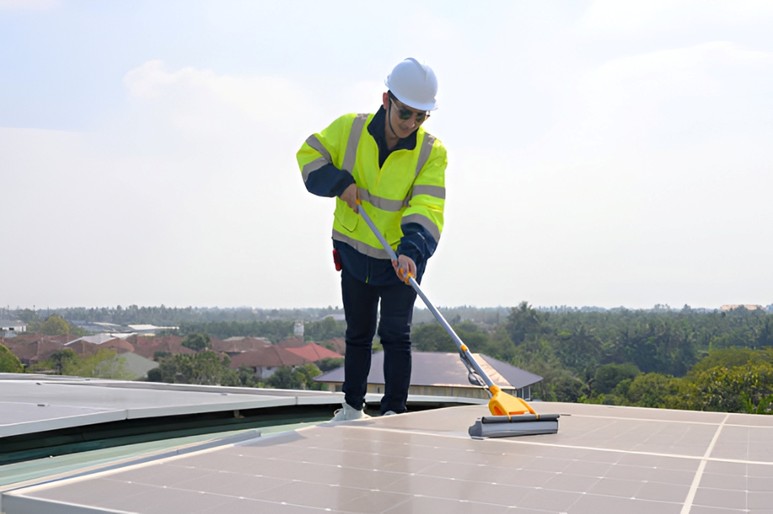
One of the simplest yet most effective ways to maintain your solar system is to keep the panels clean. Dust, bird droppings, leaves, and pollution can accumulate on the surface, reducing the amount of sunlight absorbed.
In many parts of Australia, especially dry or rural areas, dust build-up can significantly impact performance.
Cleaning tips:
Rinse panels with water early in the morning or late afternoon to avoid thermal shock
Use a soft brush or sponge to remove stubborn dirt
Avoid harsh chemicals that could damage the panels
If your roof is difficult to access, consider hiring a professional cleaning service
Clean panels can improve energy output noticeably, particularly during long dry spells.
2. Monitor System Performance Regularly
Most modern solar systems come with monitoring apps or inverters that allow you to track performance in real time. Keeping an eye on your system helps you spot issues early before they become costly problems.
What to look for:
Sudden drops in energy production
Error messages or warning lights on the solar inverter system
Lower-than-expected output during sunny days
If something doesn’t look right, it’s worth investigating promptly rather than letting the issue persist.
3. Inspect for Physical Damage
Australia’s weather can be harsh, with storms, hail, and high winds posing potential risks to solar systems. Regular visual inspections can help you identify any physical damage early.
Check for:
Cracks or chips in the panels
Loose mounting structures
Damaged wiring or exposed cables
Debris stuck under or around panels
If you notice any damage, contact a licensed solar technician immediately. Attempting DIY repairs can be dangerous and may void your warranty.
4. Trim Nearby Trees and Reduce Shading
Shading is one of the biggest factors that can reduce solar efficiency. Even partial shading on one panel can affect the output of the entire system. Trees that grow over time can gradually block sunlight without you noticing.
Maintenance actions:
Trim branches that cast shadows on your panels
Remove any new obstructions around your roof area
Keep an eye on seasonal changes that affect sunlight angles
Maximising sun exposure ensures your system produces as much energy as possible.
5. Keep the Inverter in Good Condition
The inverter is the heart of your solar system, converting solar energy into usable electricity for your home or business. Keeping it in good working condition is essential for overall performance.
Inverter care tips:
Ensure it’s installed in a cool, shaded, and well-ventilated area
Keep vents clear of dust and debris
Listen for unusual noises or overheating
Check indicator lights regularly
Most inverters have a lifespan of around 10–15 years, so monitoring their health is crucial.
6. Schedule Professional Inspections
While basic maintenance can be done yourself, professional inspections are important for a thorough check-up. A licensed technician can identify issues that aren’t visible to the untrained eye.
Benefits of professional servicing:
Comprehensive system testing
Performance optimisation
Warranty compliance
It’s generally recommended to schedule a professional inspection every 1–2 years, depending on your system and location.
7. Check Your Solar Battery (If Installed)
If your system includes a battery, proper maintenance is key to ensuring efficient energy storage and usage. Batteries can degrade over time if not managed correctly.
Battery maintenance tips:
Monitor charge and discharge cycles
Keep the battery in a temperature-controlled environment
Check for warning indicators or faults
Follow manufacturer guidelines for usage and care
A well-maintained battery helps you make the most of your solar investment, especially during peak demand times.
8. Protect Your System from Pests
Birds, possums, and other small animals can sometimes nest under solar panels or chew on wiring, causing damage.
Preventative measures:
Install mesh or critter guards around panels
Inspect for signs of nesting or droppings
Address infestations quickly to prevent further issues
Keeping pests away helps maintain both system performance and safety.
9. Understand Seasonal Performance Changes
Solar output naturally varies throughout the year due to changes in sunlight hours and weather conditions. Understanding these patterns can help you set realistic expectations and identify genuine issues.
Seasonal considerations:
Higher output in summer due to longer daylight hours
Reduced production in winter or during cloudy periods
Temporary dips during heavy rain or storms
Monitoring trends over time gives you a clearer picture of your system’s health.
10. Keep Documentation and Warranty Information Handy
Maintaining proper records of your solar system is often overlooked but incredibly important. Documentation can help you troubleshoot issues and ensure you’re covered in case of faults.
Important documents to keep:
Installation details and system specifications
Warranty information for panels, inverter, and battery
Service and maintenance records
Installer contact information
Having everything organised saves time and stress when you need support or repairs.
Common Maintenance Mistakes to Avoid
Small oversights can affect system performance.
Ignoring minor drops in output
Using abrasive cleaning methods
Skipping professional inspections
Overlooking inverter warnings
Allowing shading to increase over time
Avoiding these issues ensures consistent energy generation.
Conclusion
Solar maintenance is not complex, but it requires consistency and attention. Clean panels, stable electrical components, and regular monitoring work together to sustain performance over time. At Ramselec Solar, maintenance is approached with clarity and precision to ensure systems continue delivering reliable energy. If your system requires inspection, servicing, or expert guidance, contact us and maintain performance with confidence.
FAQs:
How often should solar panels be cleaned in Australia?
Cleaning is typically recommended every 6 to 12 months, depending on environmental conditions.
Does dirt affect solar panel performance?
Yes. Dirt and debris reduce sunlight absorption, lowering energy output.
How can I monitor my solar system performance?
Most systems include inverter apps or monitoring tools that track energy generation.
What are signs of a faulty inverter?
Warning lights, error messages, and reduced output are common indicators.
Do solar systems require professional servicing?
Yes. Annual inspections ensure safety, efficiency, and compliance.
Can shading impact solar output significantly?
Yes. Even partial shading can reduce system performance noticeably.


